
Sabji Masala
Keep Restaurant Kitchens Ready for Festive Demand with Quality Sabji Masala Stock
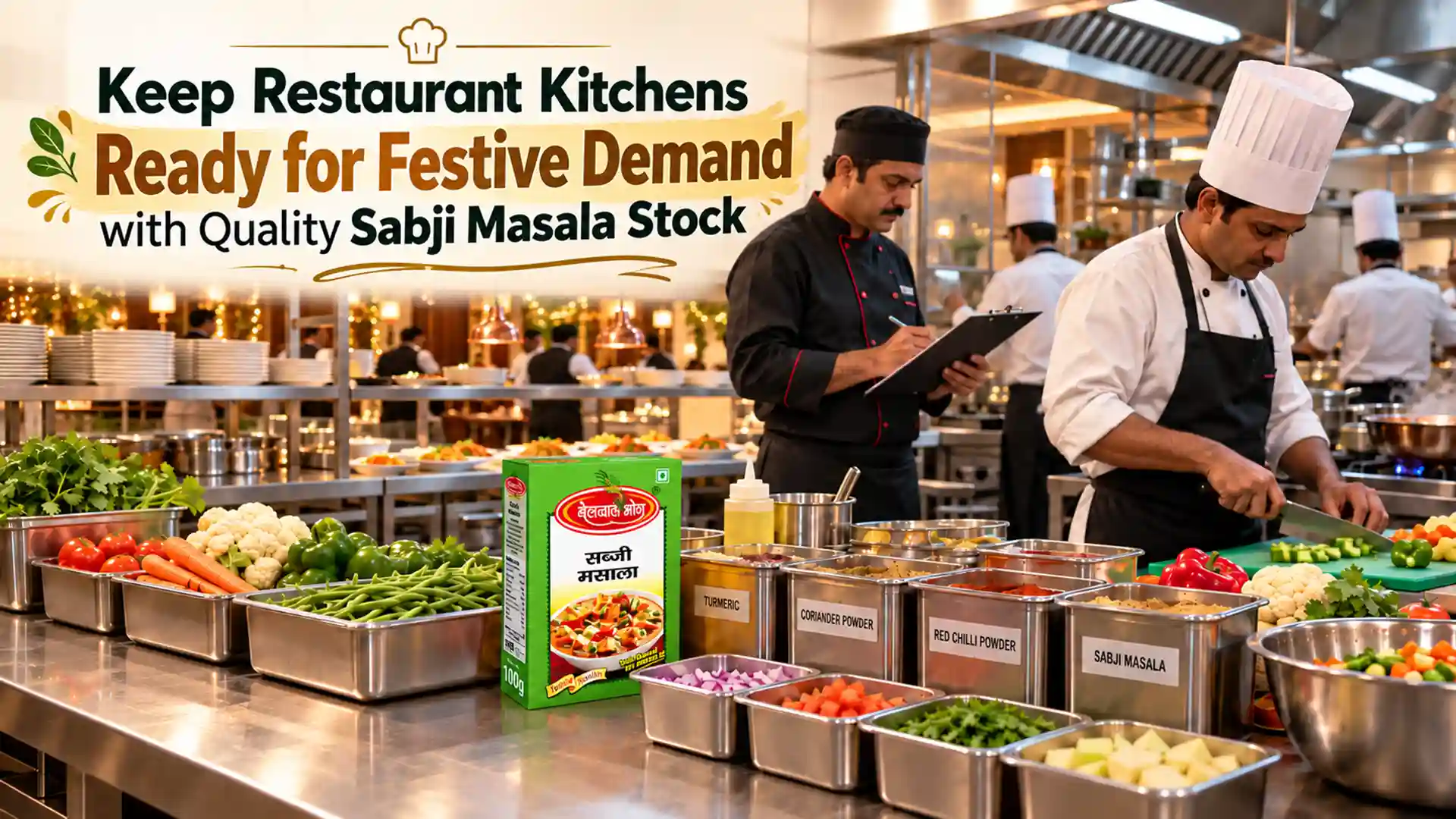
Festive seasons bring busy service hours, larger family gatherings, and more orders for restaurants across Uttarakhand. As customers look for comforting Indian meals during celebrations, restaurants need to keep their essential ingredients organised and readily available. Sabji masala is particularly useful in commercial kitchens because it adds flavour to a variety of vegetable dishes served with roti, naan, rice, and other accompaniments. Choosing a dependable Sabji Masala Supplier for Restaurants can help restaurant owners plan their spice inventory and prepare for changing customer demand.
For restaurants, festive readiness is not just about increasing ingredient quantities. It also means maintaining consistency, managing deliveries, and ensuring that kitchen teams can prepare popular dishes without unnecessary interruptions. Belwal Bhog understands the importance of everyday spices in Indian cooking and the role they play in busy food businesses.
Prepare for the seasonal increase in restaurant orders
During festive periods, restaurants may experience higher footfall, family bookings, takeaway orders, and catering enquiries. Customers often prefer familiar dishes that bring together traditional flavours and satisfying meals. Vegetable curries, mixed sabji, seasonal vegetable preparations, and paneer-based dishes can all feature on festive menus.
These changing requirements make it important for kitchen managers to review ingredient availability before the rush begins. A reliable Sabji Masala Supplier for Restaurants can be part of a planned purchasing process that helps businesses organise their requirements ahead of time.
Belwal Bhog encourages food businesses to consider their previous sales, upcoming reservations, and planned menus before deciding how much spice stock to maintain. This approach can reduce last-minute purchasing and help kitchens remain organised during busy service periods.
Estimate spice requirements before placing orders
Every restaurant has different purchasing needs. A small family restaurant may serve a focused menu, while a larger establishment may prepare several vegetable dishes throughout the day. Catering kitchens may need additional stock for functions and group orders.
Start by reviewing current inventory and estimating the quantity of sabji masala required for the expected number of servings. Consider the recipes on the menu, the usual quantity of spice used per batch, and the number of meals likely to be prepared.
Before ordering from a Sabji Masala Supplier for Restaurants, check storage capacity, delivery timelines, and existing stock. Keeping a simple inventory record can help kitchen managers understand consumption patterns and establish sensible reorder points.
Belwal Bhog supports a practical approach to grocery planning, where purchasing decisions reflect actual kitchen requirements rather than uncertain estimates.
Maintain consistent flavour across every serving
Customers often return to a restaurant because they enjoy its familiar taste and quality. Consistency is especially important during festive periods, when kitchens may prepare more servings than usual and staff may need to work at a faster pace.
Sabji masala can help create a balanced flavour profile in many vegetable preparations. However, the final taste also depends on the recipe, ingredient quality, cooking method, and the quantity used. Restaurant owners should ensure that their kitchen teams follow standard recipes and measure spices consistently.
A dependable Sabji Masala Supplier for Restaurants should be assessed on product suitability, packaging condition, order accuracy, and supply arrangements. Businesses should also review product labelling and storage guidance to make sure the spice fits their operational needs.
Belwal Bhog recognises that flavour consistency is an important part of customer satisfaction, particularly for restaurants serving familiar Indian dishes every day.
Plan festive menus around kitchen capacity
Festive menus can attract customers, but introducing too many new dishes at once may place unnecessary pressure on the kitchen. Restaurant managers should assess available staff, preparation time, equipment, and ingredient requirements before expanding their menus.
Vegetable curries and other sabji preparations can be useful options because they pair well with several common accompaniments. By planning recipes in advance, kitchens can estimate their spice consumption more accurately and reduce avoidable food waste.
Working with a Sabji Masala Supplier for Restaurants can help businesses organise purchasing according to their menu plans and expected serving volumes. Restaurant managers should communicate their requirements clearly and allow sufficient time for replenishment.
Belwal Bhog encourages restaurants to balance menu variety with practical preparation. A well-organised menu can help kitchen teams deliver a consistent experience even when customer numbers rise.
Evaluate suppliers beyond the quoted price
Price is an important factor for restaurants that purchase spices regularly, but it should not be the only consideration. A supplier's delivery reliability, packaging, product consistency, communication, and ability to fulfil the required quantity can all affect kitchen operations.
When comparing options, restaurant owners should review minimum order quantities, payment terms, delivery schedules, and the process for placing repeat orders. These details are especially important before festive periods, when delayed supplies can affect menu availability.
Choosing a Sabji Masala Supplier for Restaurants should involve comparing overall value and suitability for the business rather than simply selecting the lowest quotation.
Belwal Bhog encourages restaurant owners to assess their purchasing priorities carefully and establish clear expectations before confirming orders. A structured buying process can help businesses manage costs while keeping essential ingredients available.
Store sabji masala properly
Good inventory management continues after the spices arrive at the restaurant. Sabji masala should be stored in a clean, dry area away from moisture, direct sunlight, excessive heat, and strong odours. Follow the instructions on the packaging and keep opened packs properly sealed.
Kitchen staff should check package condition, product dates, and storage areas regularly. Stock should be organised so that older inventory is used first, provided it remains within the product's recommended period and is in suitable condition.
Restaurants should also avoid placing spice packs near sinks, hot cooking equipment, or other areas where moisture and heat can affect storage conditions.
Even when working with a Sabji Masala Supplier for Restaurants, businesses need an effective system for handling stock after delivery. Careful storage and rotation can help kitchens maintain an organised supply throughout the festive season.
Keep kitchen operations running smoothly
An unexpected shortage of a frequently used spice can disrupt preparation and force a restaurant to adjust its menu. Regular stock checks can help managers identify low inventory before it becomes a problem.
Assigning responsibility for inventory checks, recording daily usage, and reviewing upcoming bookings can improve coordination between purchasing and kitchen teams. Restaurants with multiple outlets may also benefit from setting clear stock targets for each location.
A reliable Sabji Masala Supplier for Restaurants can support this process when delivery expectations and ordering requirements are communicated in advance.
Belwal Bhog believes that organised purchasing and responsible inventory management are useful practices for food businesses preparing for seasonal demand. These habits can improve day-to-day coordination long after the festive rush has passed.
Get your restaurant ready for festive demand
A well-prepared restaurant kitchen depends on suitable ingredients, consistent recipes, accurate stock estimates, and reliable purchasing arrangements. Before the festive period begins, review your menu, calculate your spice requirements, check existing inventory, and confirm upcoming deliveries.
Choosing a Sabji Masala Supplier for Restaurants that aligns with your kitchen's requirements can help you plan replenishment and reduce the pressure of last-minute orders. Whether you operate a family restaurant, a multi-outlet business, or a catering kitchen, advance preparation can make it easier to manage busy service periods.
With thoughtful inventory planning and dependable everyday spices, restaurants can focus on serving flavourful meals and giving customers a satisfying festive dining experience. Belwal Bhog encourages food businesses to make preparation a priority so their kitchens are better equipped to meet changing demand.
Contact Belwal Bhog
For product enquiries and business requirements, connect with Belwal Bhog.
Phone: +91 9917612060
Email: support@belwalbhog.com